Due to its brittle cubic crystal structure and susceptibility to environmental degradation, pyrite fractures relatively easily compared to similar minerals. Though ranking 6-6.5 on the Mohs hardness scale, invisible micro-fractures and iron sulfide composition make specimens prone to cracking under physical stress or chemical changes, especially when exposed to humidity or temperature fluctuations.
You've seen pyrite's alluring metallic shine – fool's gold glittering in collection displays or geological exhibits. But after carefully selecting a piece, maybe you've noticed unexplained cracks appearing months later, or worse, opened storage to find crumbled fragments where cubes once proudly stood. That moment raises urgent questions about this mineral's true stability. Whether you're handling inherited specimens, purchasing new samples, or designing jewelry settings, understanding pyrite's structural liabilities transforms how you assess value and preservation methods. This guide examines geological evidence and collector insights to decode breakage triggers, identify early-stage risks, and help develop protective strategies grounded in mineralogy realities. We'll navigate through field-tested observation methods and environmental mitigation approaches tailored to different usage scenarios.
That satisfying metallic heft in your palm masks inherent vulnerabilities – while seemingly solid, pyrite requires mindful interaction at every stage from purchase to positioning. Mineral collectors handling specimens during evaluation or museum curators rotating displays routinely encounter unexpected fractures revealing structural limits. Understanding these boundaries prevents heartbreak during casual examination moments when applying fingernail pressure to test hardness or placing specimens adjacent to harder stones.
The cubic crystalline formation creating pyrite's signature geometric appearance paradoxically introduces weakness planes where cracks propagate. Compared to molecularly interlocked minerals like quartz, pyrite's atomic planes cleave readily under impact, while internal imperfections from its formation period create hidden failure points. You may notice cleavage cracks traveling straight across faces or crumbly disintegration along crystal edges – classic symptoms of structural compromise. Additionally, combined pyrite-marcasite formations tend to degrade significantly faster than pure crystalline structures.
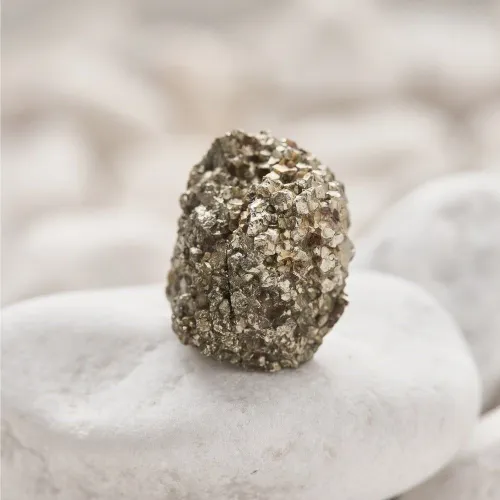
Displayed pyrite in sunlit cabinets or stored specimens tucked in basements face invisible threats beyond physical handling. Humidity levels, temperature shifts, and even enclosure materials may initiate chemical reactions dismantling crystal integrity over time. Long-term collectors occasionally rediscover specimens that transformed from gleaming cubes into powdery mounds since last inspection.
High humidity provides fuel for pyrite's sulfur content to develop corrosive sulfuric acid which gradually converts iron sulfide into iron oxides. Early manifestations include those distinctive reddish powder residues around specimens – a telltale sign of active oxidation.
Sudden temperature changes, like moving specimens from cold storage to warm display areas, create internal stresses. This thermal shock produces invisible micro-fractures detectable only under magnification but spreading over seasons.
A common oversight involves storing pyrite alongside limestone matrices, where escaping calcium carbonate ions react with pyrite’s sulfur, accelerating decay even in climate-controlled environments.
Spotting degradation before catastrophic breakage occurs requires shifting perspective – like examining antique silver’s tarnish patina rather than glittering showroom polish. What seems like insignificant surface changes often indicate progressing structural issues needing intervention.
Try isolating specimens under intense 45-degree sidelighting that reveals surface dullness contrasting with healthy metallic luster. Areas losing reflective quality typically show where subsurface oxidation begins. Those faint acidic scents noticed when handling pieces during humid spells? They signal active sulfur compound release. Subtle weight reduction over years measured on precision scales shows material loss through constant sublimation.
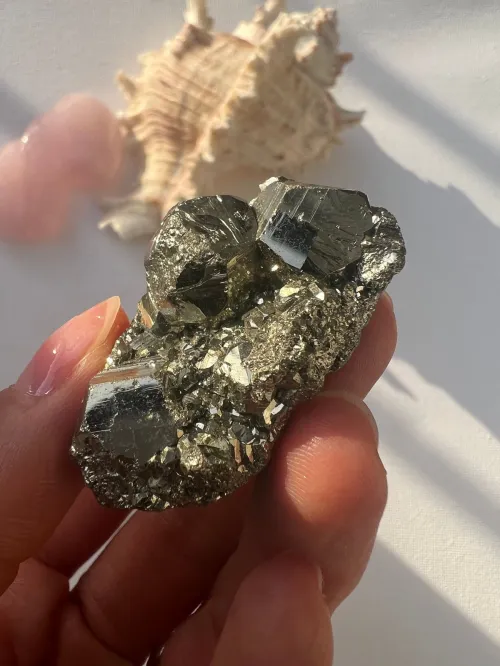
Collectors report particular success with ultraviolet light screening in darkened rooms: microscopic fracture points may reveal temporary phosphorescence along stress lines invisible under normal light. For mounted specimens, monitor matrix connections where detachment often precedes crystal collapse.
Facing museum trays filled with glittering specimens during buying trips, experienced collectors develop targeted assessment routines to filter out high-risk pieces despite visual appeal. Understanding why specific formations withstand environmental challenges guides these decisions.
Smaller cubic formations (under 2cm) generally maintain structural integrity better than elaborate crystal clusters where connection points represent failure vulnerabilities. When comparing pieces from different geological contexts, inquire about arid regional origins – desert-formed pyrite typically possesses greater stability than counterparts sourced from humid locations. Microcrystalline variants like Pennsylvania pyrite suns present particularly durable options for jewelry applications.
Listen closely during the plastic tool tap test: healthy crystals produce bright metallic pings whereas compromised pieces generate thudding responses. When documentation exists, seek specimens with quartz matrices rather than carbonate minerals. If evaluating dendritic formations – undeniably captivating – prioritize examples without visible fissures.
Integrating basic safeguards into your storage and display routines may significantly extend pyrite lifespan without elaborate conservation equipment. The simplest interventions often yield substantial preservation benefits.
Consistent low-humidity environments form the foundation of pyrite care. You can achieve this with basic silica gel canisters tucked discreetly into display cases, swapped quarterly when indicator beads color-shift. Position specimens away from direct heating vents where thermal cycling causes incremental material fatigue. For irreplaceable pieces experiencing powder residue formation, archival wax micro-brushed along cleavage planes may temporarily slow oxidation.
Establish cotton-glove routines even for brief examinations; skin acids accelerate surface reactions. Build padded temporary staging areas before transporting pieces between locations – simple felt-lined trays prevent shifting during movement. For cleaning, soft cosmetic brushes create air-puffing action minimizing physical contact.
Building everyday awareness transforms potentially destructive habits into protective rituals. Implement these core principles consistently:
By treating stability monitoring as integrated practice rather than occasional concern, you'll recognize subtle chemical deterioration signs before physical fractures manifest.
Why does some pyrite crumble when touched? Breakdown typically occurs when oxidation-weakened crystal structures reach critical failure points. Sulfuric acid formation within micro-fractures gradually dissolves molecular bonds until slight pressure triggers disintegration.
How to differentiate natural pyrite decay versus shipping damage? Natural deterioration often shows systematic patterns like edge-based powder formation or cleavage plane cracks. Shipping damage more commonly features impact points with radial fracturing and fresh crystal shard fragments.
Can pyrite deteriorate inside sealed display cases without oxygen? Internal crystal water content may still initiate chemical decomposition in oxygen-free environments through hydrous sulfate formation processes, though generally at slower rates than atmospheric reactions.
Which breaks easier: pyrite cubes or pyrite nodules? Cubes frequently maintain integrity better due to more ordered structural lattices. Nodules containing amorphous or microcrystalline formations typically show lower fracture resistance under pressure testing.


$
