Pyrite, often called "fool's gold," can indeed change color over time, primarily developing brown, gray, or black surface tarnishing when exposed to oxygen and moisture through oxidation. While its hard mineral structure resists scratching, humidity levels above 60% may accelerate visible darkening or create rainbow-like iridescence through light refraction. Changes in surface texture or localized discoloration might indicate reactions that could potentially affect surrounding materials in architectural settings, requiring monitoring rather than immediate alarm.
That dull bronze spot appearing on your fireplace stonework last spring? Or that mineral specimen from your grandfather's collection slowly losing its metallic luster? If you've ever noticed pyrite—brassy, cube-shaped fool's gold—shifting shades or developing strange patinas where it once gleamed uniformly, you're facing a quiet geological process that impacts homeowners, collectors, and builders alike. This piece explores how oxygen and time transform pyrite, deciphers what different color signals mean for your property, and details how to respond when those gleaming surfaces begin whispering tales of change.
Pinpointing subtle shifts in decorative rocks
Oxidation pathways in different structural materials
Indoor containment methods for collectors
Landscaping and foundation considerations
Proactive monitoring frameworks
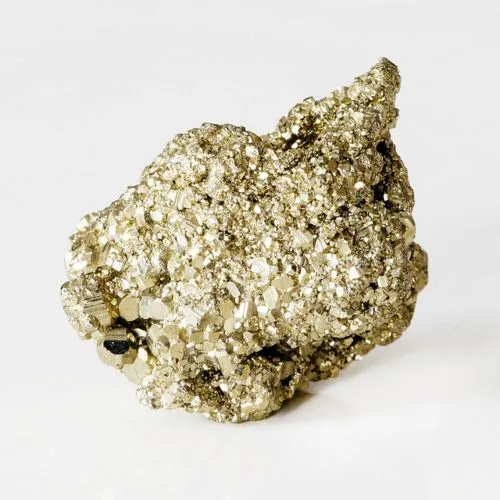
You might first notice something's different with pyrite in your environment while dusting a display shelf or inspecting garden stones after winter frosts. That vague feeling that "it doesn't shine quite like before" often marks the beginning of a slow transformation homeowners should understand rather than fear. Whether set into a countertop, embedded in building gravel, or resting proudly in your mineral tray, color variations tend to emerge as subtle communications about environmental interactions—making careful observation your most valuable tool.
Key indicators from geological collections show pyrite doesn't fade uniformly like painted surfaces. Instead, it commonly develops bronze edges or chalky patches where oxygen exposure occurs most readily. Industrial samples tend to shift faster than deep-earth specimens, with porous aggregates darkening more quickly than solid crystals due to greater reactive surface area. More importantly, research suggests humidity acts as an accelerator: below 60%, pyrite may retain its golden glint for generations, while damper environments could nudge surface reactions forward. If running your fingertip over an installed pyrite-containing rock reveals a gritty texture where smooth metal once sat, or if rainbow patterns shimmer along its edges, you might be witnessing thin oxidation layers forming—often harmless aesthetically, but worth contextual understanding.
For collectors, cabinet specimens offer controlled insight. Compare current pieces against dated photographs under consistent northern daylight. Metallic to dull transitions suggest oxidation's gentle touch, while multi-hued iridescence usually means light is refracting through microscopic oxidized layers—a natural phenomenon mineralogists call "tarnish rainbows." Diminished reflectivity when rotating samples under a lamp might imply micro-pitting. Note any chalky residue around specimens or acidic smells inside sealed cases; these can signal active sulfate conversion requiring conservation attention.
In built structures, prioritize examining pyrite-containing materials along moisture pathways: beneath basement windows, around outdoor kitchen installations, or where garden soil meets foundation stone. Search for reddish-brown oxidation halos radiating through limestone or concrete—possible evidence of moisture carrying reactive compounds outward. White crystalline deposits called "blooms" on adjacent surfaces may indicate acidic compounds escaping porous pyrite aggregates. Documenting these annually before heavy rainfall, perhaps with a simple phone snapshot against a gray reference card, establishes crucial visual timelines.
Pyrite resides at the intersection of geology and human habitats, its color journey revealing intimate relationships with surrounding air, water, and stone. The pyrite framed within your great-aunt's Victorian display cabinet behaves differently than identical crystals embedded in a damp garden retaining wall. This section untangles environment-specific reactions—from sealed interiors to building foundations—guiding your attention where it matters most.
Location radically alters transformation pace. Pyrite installed outdoors undergoes vastly different stresses than indoor counterparts through direct rainfall immersion, freeze-thaw cycles, and microbial activity. Geological surveys indicate pyritic sandstone beneath homes in humid river basins discolors faster than material in arid regions—making climate context your first analytical tool. Basements deserve particular attention: their limited ventilation often concentrates humidity around pyrite-containing foundation gravel. Where moisture persists near these sulfide minerals, slow acid generation could potentially alter pH in surrounding concrete over decades.
For curated collections, maintaining brilliance relies on environmental control methods.
Building contexts demand practical moisture mitigation tactics.
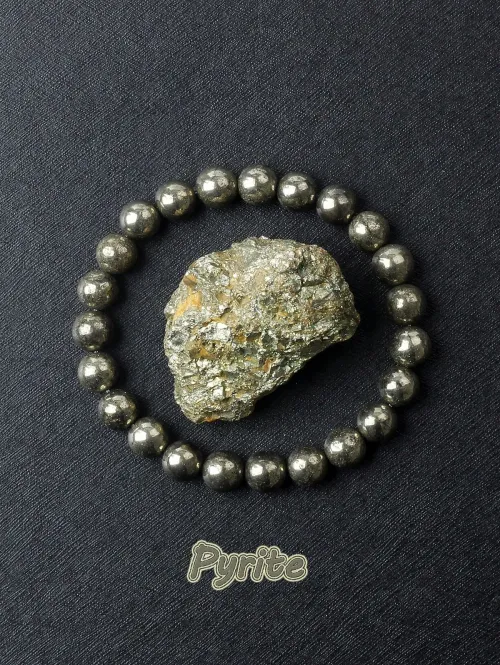
Picture twin pyrite specimens—one placed within a desert rock garden in Arizona, another set into a seaside cottage's mortar in Maine. Though chemically identical at installation, their coloration pathways diverge dramatically within five years. Unlike synthetic products with predictable aging timelines, natural pyrite transforms through conversations with its habitat. Grasping these "mineral lifetimes" prevents overreaction to natural patinas while spotlighting truly concerning changes.
Geological timelines reveal pyrite color changes unfold across varied intervals. Archaeological finds from dry Egyptian tombs display minimal tarnishing after millennia, while marine-salty excavations may show complete blackening within decades. Contemporary property contexts mirror this:
Certain installations warrant heightened vigilance:
Stable environments foster gradual shifts:
Importantly, aesthetic changes—surface iridescence shifting light play or consistent darkening—rarely indicate immediate property danger. Structural risks arise indirectly through acidic runoffs interacting with adjacent materials over many seasons. This gradual timeline underscores routine inspection rather than panic at first color shifts.
Pyrite teaches how observation triumphs over anxiety. That rainbow-edged specimen? Likely demonstrating optical science through harmless oxidation layers. Damp streaks beneath a basement pyrite inclusion? Their persistence matters more than their first appearance. Ultimately, informed awareness creates space between noticing a change and deciding action—a calm competence transforming mystery into management.
Embrace pyrite's natural dynamism without fear. Documenting decorative stones annually through shadow-free phone photos offers measurable comparison. Consult regional geological maps before property purchases if local stone shows high pyrite concentrations. Most importantly, differentiate aesthetics from structure: beautiful tarnish patterns may become conversation pieces, while acidic residues near foundations might warrant professional testing. Approach pyrite's changes with geological timeframes—slow, observable, manageable—and suddenly that shifted shade becomes less a warning than a landscape of natural wonder patiently telling its story.
Q: Can pyrite embedded in concrete foundations oxidize?
A: Yes, pyrite aggregates in concrete may darken over decades when exposed to moisture intrusion. Persistent damp conditions could potentially trigger sulfate reactions needing structural evaluation.
Q: Why did my pyrite rock develop rainbow edges?
A: Typically indicates thin oxide layers refracting light, not damage requiring intervention.
Q: Does color-changed pyrite pose risks in landscaping?
A: Minor tarnish is generally safe aesthetics; check for powdery residues or acidic smelling runoff.
Q: How does artificial pyrite jewelry compare?
A: Imitations might discolor faster due to coatings or alloys unlike natural mineral aging.
Q: Will UV lamps accelerate pyrite color changes?
A: Unlike organics, UV light tends to enhance pyrite stability versus speeding reactions.


$
