Pyrite (FeS₂) typically shows no visible reaction when exposed to cold, diluted hydrochloric acid, distinguishing it from carbonate minerals like calcite. While prolonged exposure to concentrated hot HCl may cause slow oxidation without bubbling, the absence of immediate fizzing provides a practical mineral identification clue. This chemical stability helps collectors differentiate pyrite from gold-like minerals and informs proper storage protocols.
Imagine discovering a metallic-yellow stone during a hike—could it be valuable gold or deceptive pyrite? Many hobbyists reach for hydrochloric acid as a quick identification test, expecting definitive bubbling for carbonates or visible reactions for other minerals. This guide unpacks pyrite's unexpected chemical behavior with HCl, transforming technical mineralogy into practical knowledge. We'll explore why pyrite resists acid dissolution, how this property becomes your identification ally, and what silent oxidation signals reveal about long-term preservation. You'll gain confidence in interpreting acid tests beyond surface observations while protecting your geological treasures.
Understanding acid interactions involves more than simple yes/no answers. We'll journey through:
Fundamental chemistry explaining pyrite’s acid resistance
Practical techniques to distinguish real pyrite from imitations
Crucial storage conditions to slow natural deterioration
Environmental implications of pyrite weathering processes
Multi-test verification strategies
Unlike carbonate minerals that vigorously fizz by releasing carbon dioxide, pyrite maintains chemical composure during standard acid tests. This matters because collectors rely on safe, non-destructive methods to identify specimens without sophisticated equipment. When you apply diluted HCl to pyrite, notice the absence of bubbling or audible reaction within the first minute—a significant clue pointing toward iron sulfide composition. The mineral's crystalline structure prevents proton penetration that triggers decomposition in other minerals. Though structurally stable, microscopic defects along crystal planes may gradually oxidize when subjected to highly concentrated hot acid over extended periods. This slow transformation typically manifests as subtle sulfurous odors rather than visible changes.
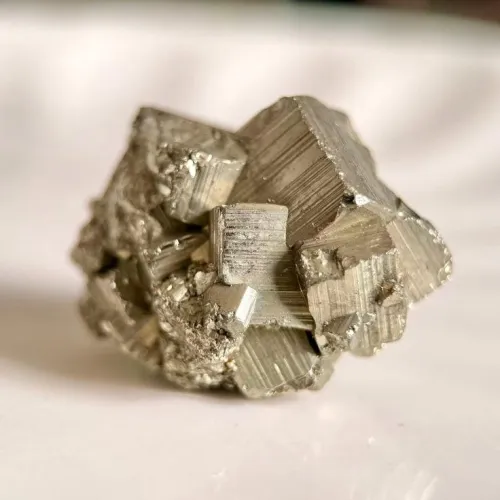
Combine acid testing with these observational techniques:
Streak test verification Rub specimens against unglazed porcelain: pyrite leaves greenish-black streaks while gold maintains its color.
Surface integrity monitoring Observe rainbow-hued tarnish patterns developing over months as oxidation initiates.
Thermal conductivity check Note how pyrite feels cooler against skin than plastic imitations.
Mineral misidentification often stems from relying on single properties like color alone. Pyrite's HCl resistance matters because it creates a practical starting point for differentiation when combined with other physical characteristics. Begin your assessment by applying vinegar or diluted acid to an inconspicuous sample area—no reaction suggests either pyrite or genuine gold, eliminating carbonate possibilities immediately. Immediately conduct a follow-up streak test; that decisive greenish-black line separates pyrite from precious metals. Supplement these tests by examining crystal formations: well-defined cubic structures strongly indicate pyrite rather than gold’s irregular nuggets. Document test points with waterproof labels to preserve specimen integrity for future analysis.
Recognize these critical differences:
Pyrite’s eventual decomposition through oxidization presents stealthy challenges for collectors unaware of environmental triggers. While diluted HCl won't harm specimens during brief identification tests, improper storage accelerates surface degradation. Notice early warning signs like crystalline fractures accumulating powdery residues before visible discoloration appears—these microscopic changes indicate progressing deterioration. Maintain relative humidity below 60% in display environments to slow airborne moisture reactions. Store pyrite separately from carbonate minerals like malachite or azurite to prevent accidental acid exposure during humidity fluctuations. For high-value specimens, consider silica gel containment chambers with moisture indicators for proactive protection.
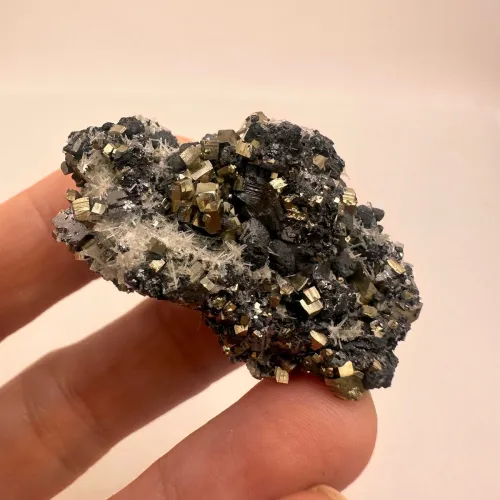
Pyrite’s environmental impact reveals its hidden reactivity. Though stable in controlled collections, pyrite-bearing rocks exposed to acid rain undergo transformation processes where atmospheric moisture catalyzes sulfuric acid formation. This matters significantly when designing rock gardens or preserving field samples. Detect long-term weathering by rubbing questionable specimens and noting faint sulfur-like odors emerging from micro-fractures. Compare freshly broken surfaces versus exposed faces—differential coloration reveals oxidation progression. Mining contexts pose greater concerns where pyrite oxidation contributes to acid drainage issues over decades. Monitoring groundwater pH levels around pyrite-rich sites provides early ecosystem health warnings.
Practical mineral appreciation blends scientific knowledge with preservation ethics. Record test locations on specimen bases using micro-labels rather than surface marks, preserving geological value while building documentation. When collecting, consult geological survey maps noting pyrite’s common associations with specific rock formations—these patterns aid identification while respecting natural distributions. Consider vinegar or alternative weak acids for preliminary home testing to reduce chemical hazards. Remember: mineral identification requires contextual evidence rather than single-property reliance. Cross-validate through hardness verification (it should scratch glass) and habit observation to confirm genuine pyrite characteristics.
How to confirm authentic pyrite with acid testing? Authentic pyrite won't bubble in cold diluted HCl but plastic imitations may show no reaction either—always verify with streak and hardness tests.
Does heating HCl enhance pyrite reactions? Hot concentrated HCl may slowly produce sulfur compounds without visible bubbling over several hours, unlike immediate carbonate reactions.
Pyrite's survival potential in acidic environments? Acid rain exposure typically causes slow surface degradation through oxidation rather than rapid dissolution.
Distinguishing pyrite from chalcopyrite in acid tests? Neither reacts vigorously, so observe chalcopyrite’s deeper brassy tones and possible tarnish variations under magnification.


$
