The sparkly mineral you encounter in jewelry stores or riverbeds isn’t always what it appears. Pyrite occurs globally in sedimentary rocks and man-made objects alike, identifiable through distinct physical traits like greenish-black streaks on ceramic. While visually reminiscent of gold, pyrite’s practical uses range from sulfur production to geological education, requiring mindful handling due to oxidation risks. Remember its uniqueness without exaggerating monetary worth.
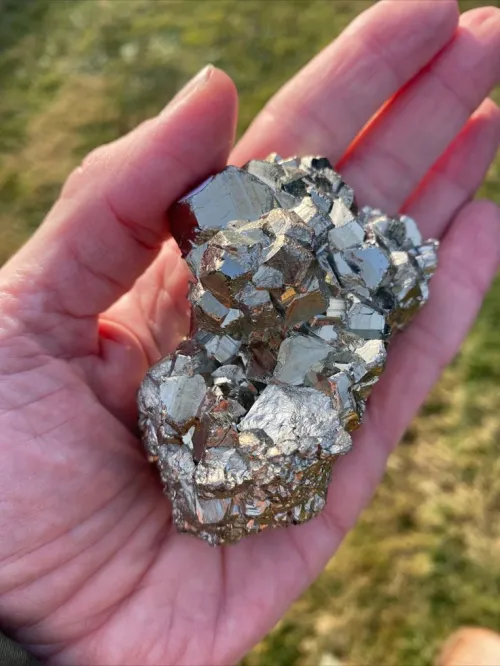
Imagine discovering golden flecks in a creek bed near your cabin. That initial spark of excitement ("Did I strike gold?") soon shifts to curiosity as you pocket a sample. What’s really happening when we encounter these metallic crystals? Whether admiring a pyrite-inlaid bracelet, visiting a mineral exhibit, or finding stones while hiking, this mineral intersects our lives in unassuming ways. This guide unravels where pyrite appears, how it behaves, and why it matters—helping you recognize its true nature without mystical promises or oversimplified dismissals.
Where formations emerge when rocks meet ancient water sources
How jewelers harness its glitter while navigating fragility
Environmental impacts through slow chemical evolution
Practical verification versus lookalike mineral
Cultural roles beyond "fool's gold" stereotypes
Whether you're on a forest hike or backyard digging, recognizing pyrite helps connect geology to daily surroundings. Spotting these cubic crystals matters because natural appearances trigger identification questions while oxidation affects nearby ecosystems.
Globally distributed in sedimentary layers and coal beds, pyrite may surface during erosion. Note three clues when exploring: inspect rock crevices for metallic brass-yellow clusters, test weight by comparing similar-sized quartz (pyrite feels denser), and observe angular reflections when rotating specimens. Mountain trails with quartz veins often reveal pyrite, whereas beach sand rarely carries intact crystals due to water wear. Remember natural formations undergo color changes over time; surface tarnish appearing as black patches indicates oxidation has begun.
Scratch specimens on unglazed tile—pyrite consistently leaves greenish-black powder trails unlike gold’s yellow residue. Alternatively, its pale brass-yellow hue differs from chalcopyrite’s deeper gold.
Streams near mining areas often carry sparkling fragments. In sedimentary zones, layered rocks host pyrite where organic decay meets mineral-rich waters.
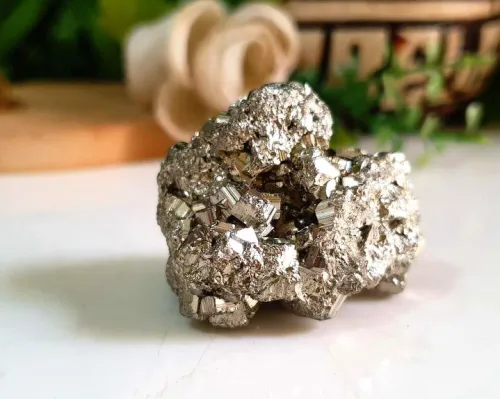
From vintage brooches to modern counters, pyrite enters homes as adornment or byproduct. Understanding its characteristics in human-made contexts prevents jewelry damage and clarifies industrial remnants.
With a 6-6.5 Mohs hardness, pyrite may scratch glass but fractures under pressure in jewelry settings. Unlike manufactured replicas, natural crystals show geometric light reflections across faceted surfaces when rotated. Jewelry maintenance requires gentleness; rings may showcase oxidized "rainbow" surfaces that signal moisture exposure. Historically used for fire-starting, today’s pyrite primarily serves sulfur production. If encountering industrial remnants, note sulfuric smells when scratched—a result of iron disulfide reacting with moisture over decades.
Handle decorative pieces gently; micro-fractures develop from knocks. Store away from humidity to maintain shine.
While collectible for crystal form, raw or polished pyrite holds modest monetary worth compared to precious metals.
Recognizing pyrite’s slow chemical evolution explains tarnished family heirlooms or strange rock odors. These changes matter because unmanaged oxidation can degrade objects or create acidic runoff.
When exposed to air and moisture, iron disulfide undergoes reactions forming iron oxides or generating sulfuric acid. Museum specimens showcase this timeline: fresh surfaces shine bright metallic, while century-old samples display rainbow oxides or crumbly textures. Environmental implications linger near mining zones where rain reacts with exposed pyrite. However, oxidation occurs incrementally; proper storage may preserve integrity for generations.
Distinguishing pyrite from gold or similar minerals prevents misinterpretations. Systematic verification empowers confident identification during flea market visits or nature walks.
Real pyrite exhibits consistent traits: it produces yellow sparks when struck against flint and feels warmer faster in hand than non-metallic minerals. Unlike gold’s uniform yellow streak on ceramic, pyrite’s powder trail appears greenish-black. Density checks help identify synthetics; solid pyrite feels heavier than plastic fakes regardless of shine. When assessing antiques, seek characteristic cubic crystal forms rather than smoothed beads—authenticity lies in subtle geometry and slight imperfections.
Carry these practical insights: prioritize intact specimens when collecting, store jewelry in dry environments, and double-check identification using multiple verification methods. Appreciate pyrite as Earth’s time capsule—offering glimpses into geological processes without demanding mystical interpretations. Just recognize it when it sparkles back at you during life’s adventures.
Why does pyrite jewelry tarnish faster than gold?
Pyrite’s iron content reacts more readily with atmospheric humidity than noble metals; proper storage minimizes oxidation.
How can I test pyrite without expensive tools?
Use ceramic tiles for streak tests and weight comparisons with similar-sized minerals to assess authenticity.
Where does rainbow patina come from?
Oxidation creates thin layers altering how light refracts; it indicates natural aging rather than cleaning neglect.
Why avoid water when cleaning pyrite?
Moisture accelerates chemical breakdown; gently buff crystals with microfiber cloths instead.
Are national park rock collecting rules the same everywhere?
Mineral collection laws vary; always consult regional geological authorities before gathering natural specimens.


$
