Framboidal pyrite's microcrystalline spheres display distinct geological formation patterns and detectable authenticity markers, with these spherical clusters forming under low-temperature reducing conditions often influenced by microbial activity. Unlike common pyrite cubes, these specialized structures typically measure under 0.1mm and serve as valuable indicators for paleoenvironmental research due to their sensitivity to oxygen levels during formation.
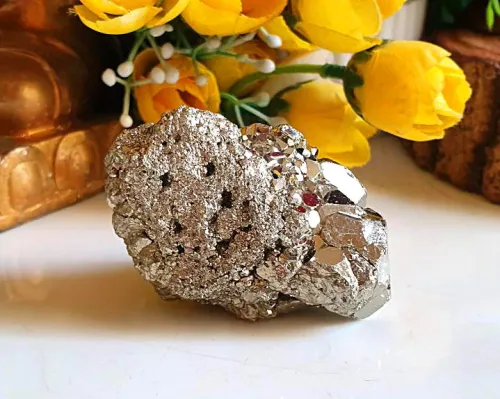
Imagine holding a mineral specimen where hundreds of microscopic, gold-hued spheres cluster like metallic raspberries under magnification—yet you're uncertain if it's genuinely formed through geological processes or artificially crafted. This article illuminates framboidal pyrite's distinct attributes and helps collectors confidently distinguish natural formations, understand preservation challenges, and appreciate their significance beyond superficial resemblance to fool's gold.
When collectors encounter spherical pyrite clusters, differentiating them from common cubic pyrite varieties matters because framboidal formations hold distinct scientific value and require specialized preservation approaches. You'll want clear identifiers when examining specimens for research or collection purposes—especially considering their vulnerability to oxidation-related decay.
Unlike more familiar pyrite formations, framboidal varieties consist of densely packed micro-spheres typically aggregating into larger grains. Under magnification, authentic samples reveal uniform grain texture with a distinctive metallic sheen. Note that natural framboids form exclusively through low-temperature nucleation processes below 60°C—distinguishing them from visually similar pyrite suns created through different crystalline mechanisms. Colors manifesting a pale yellow to bronzy spectrum may indicate impurities like copper or arsenic within the FeS₂ structure.
The creation process intrigues geologists and collectors alike because understanding these unique formations reveals geological history while predicting preservation challenges. Picture stagnant marine basins or deep shale layers—precisely the low-oxygen environments where these spheres originate, capturing ecological snapshots from distant geological eras.
These structures materialize through microbial mediation or chemical precipitation in oxygen-deprived environments. Iron sources react with sulfides under specific pH conditions, gradually accumulating around nuclei in spherical patterns over geological timescales. This distinctive growth makes framboidal clusters useful diagnostic tools; researchers interpret them as indicators of historical anoxic conditions. The same nucleation process explaining their formation also accounts for their heightened fragility; acidic byproducts from sulfur oxidation can gradually degrade specimens without proper storage.
Observing sediment composition around clusters may offer insights into regional geology. Framboids typically embed within fine-grained sedimentary substrates like shale rather than crystalline matrices.
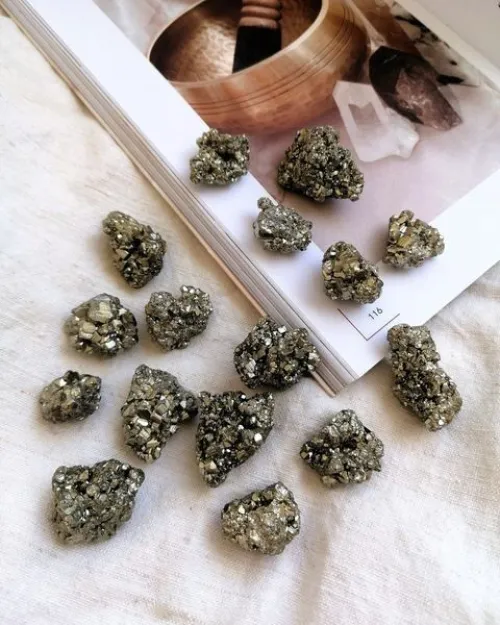
Handling physical specimens presents unique challenges since preservation requirements exceed those for typical mineral samples. Caretaking strategies become critical as oxidation signs manifest within months when exposed to high humidity—potentially damaging both scientific value and collection worth.
Sensitivity markers often appear as observable texture changes during inspection:
Preservation leverages these observations: protective storage using desiccant materials addresses humidity sensitivity, while minimal handling routines prevent degradation from skin oils and atmospheric moisture.
With replicas flooding the mineral market, authentication safeguards remain essential before acquisition. Focused examinations typically outperform expensive lab tests by recognizing naturally occurring structural attributes unlikely in synthetic recreations.
Several observable distinctions support authenticity evaluations:
Authentic clusters display weight disproportional to their size—high density being an inherent trait. You might notice synthetics feel suspiciously light due to resin content when compared side-by-side.
Surface examination typically reveals grain consistency across spherical structures. Synthetic versions commonly demonstrate uneven textures or imperfect spherical replication under magnification.
Understanding framboidal pyrite’s place within mineral classification helps collectors recognize genuinely unusual formations while preventing misidentification. Comparative analysis provides context when evaluating specimens, especially since similar spherical structures exist in other mineral families.
Several minerals display rounded formations, yet distinct differences emerge upon closer examination:
Distinguishing features like these highlight why microscopic examination remains essential. True framboids maintain consistent spherical texture throughout, differing visually from pseudo-particles formed through secondary geological processes.
Integrity maintenance demands consistent protection strategies. Consider adopting museum-quality preservation routines using simple but scientifically supported methods. Implement storage within sealed containers alongside desiccants that combat humidity—a primary decay catalyst. Gentle surface dusting with soft brushes avoids scratching delicate microstructures, while limiting excessive handling preserves surface integrity and micro-textures that define the specimen’s character.
Q: What causes pyrite tarnishing and how might it affect specimens?
A: Oxidation reactions from air exposure can generate sulfuric acid over time, gradually altering surface texture. Preservation involves humidity control and protective enclosures.
Q: Where do significant framboidal pyrite deposits usually occur?
A: Notable formations emerge within sedimentary rocks in locations including Spain and Peru, often within low-oxygen shale formations rich in microbial activity indicators.
Q: Can collectors preserve pyrite specimens safely in display environments?
A: Yes, with strategic preparation like desiccant packs in sealed cabinets to shield from humidity fluctuations, while avoiding direct sunlight exposure which may accelerate degradation.


$
